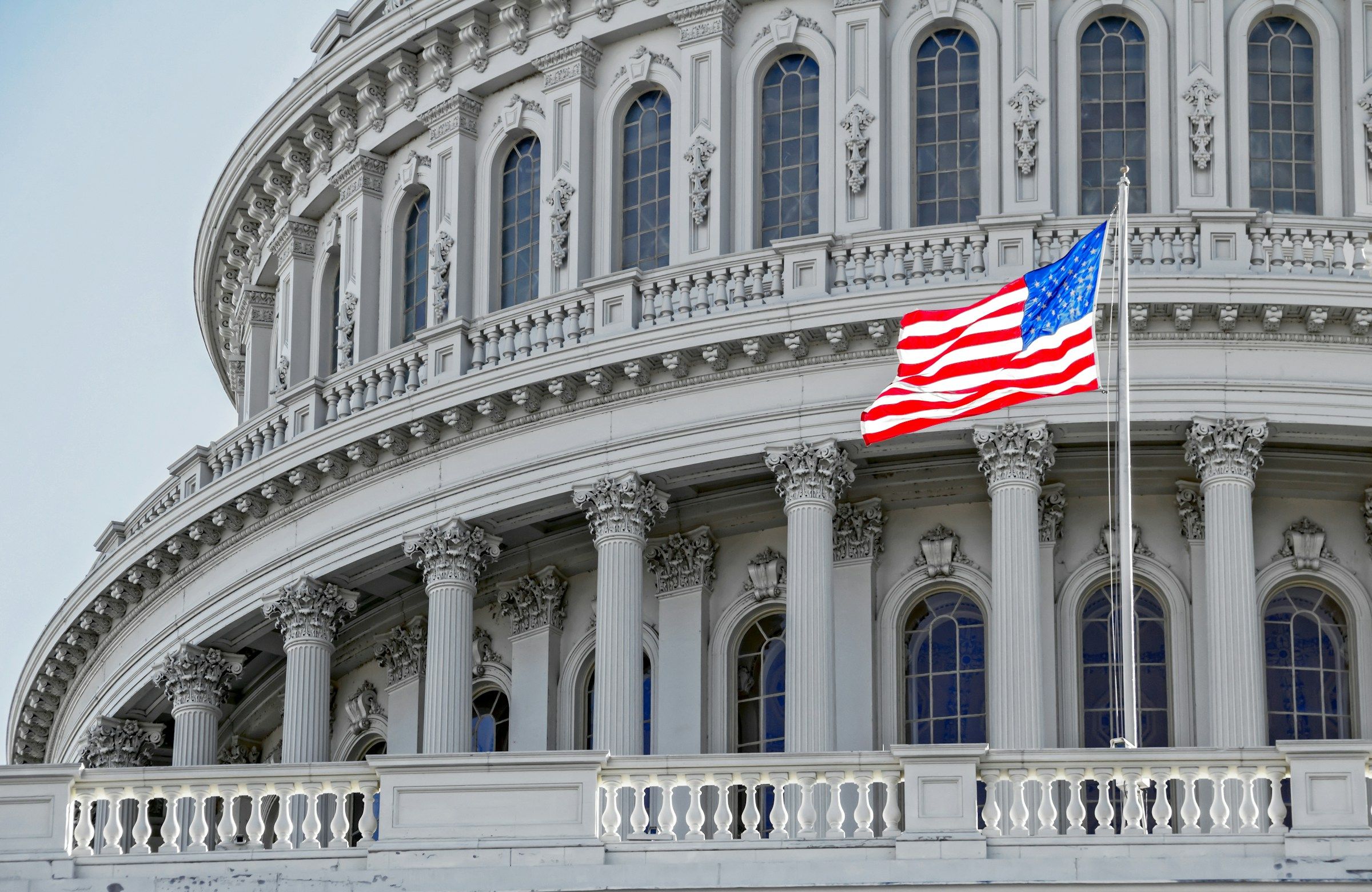
On January 23, 2025, President Donald Trump signed a sweeping executive order to reshape the United States' approach to Artificial Intelligence (AI) and cryptocurrency. The directive focuses on deregulation, innovation, and economic liberty, marking a sharp departure from policies implemented under the Biden administration.
Artificial Intelligence: Loosening Restrictions, Encouraging Growth
The new executive order revokes key AI-related regulations from President Biden’s 2023 directive. The Biden directive required tech companies to disclose details about AI models and mandated federal agencies to ensure AI tools did not discriminate based on race, gender, or disability. The Trump administration argues that these policies stifled innovation and placed an undue burden on American businesses and developers.
Key actions outlined in the order include:
- Removing transparency requirements that forced companies to disclose proprietary AI model details.
- A 180-day policy review led by White House tech and science officials to create an AI action plan.
- Ensuring AI neutrality, rejecting policies that prioritize bias detection over technological advancement.
By removing restrictions, the Trump administration aims to foster a more competitive AI landscape and position the U.S. as a global leader in AI development. While this executive order seeks to accelerate AI innovation, it also raises the need for responsible and ethical AI development. At Rainfall, we believe the future of AI should be private, decentralized, and self-sovereign. Removing regulatory barriers can drive progress, but it must be paired with a responsible human-centric approach that ensures individuals maintain full control over their data and AI models. The Rainfall AI philosophy is always human-first, and where the “A” represents the ‘Augmentation’ of human intelligence, capability, and interest, rather than its Artificial Replacement.
Decentralized AI frameworks, like the Rainfall Kindred Bit, provide an alternative to centralized systems that often exploit data ownership. As AI governance evolves, we see an opportunity to lead the charge in developing trustworthy AI solutions that prioritize privacy, autonomy, and security while still fostering innovation. With fewer regulations, we have an opportunity to shape AI for both personal and business use, without compromising user rights.
Cryptocurrency: A National Priority
For the first time, a U.S. president has officially declared digital assets a national priority. An executive order established the President’s Working Group on Digital Asset Markets, led by tech investor David Sacks and including leaders from the Treasury, Commerce, Homeland Security, SEC, and CFTC. The group aims to modernize outdated regulations to advance crypto innovation and institutional adoption.
Prohibition of Central Bank Digital Currencies (CBDCs)
The executive order bans federal agencies from developing or promoting CBDCs, citing risks to financial freedom and government overreach. This aligns with concerns from privacy advocates and crypto leaders about excessive government control over transactions.
Considering a National Digital Asset Reserve
The administration is considering a strategic national digital asset reserve, assessing whether holding Bitcoin or other cryptocurrencies could enhance economic security and strengthen the U.S.’s role in global finance. While still in early discussions, this could signal a big shift in U.S. crypto strategy.
Conclusion: A Pro-Crypto, Pro-AI Policy Shift
President Trump’s executive order significantly shifts toward a deregulated, innovation-driven approach to AI and cryptocurrency. By removing regulatory barriers, rejecting CBDCs, and exploring digital asset reserves, the administration is positioning the U.S. to dominate and win the AI and crypto race as a global leader in these fast-growing sectors.
However, this approach also raises critical questions about consumer protection, security, and ethical AI development. As the policies take shape, the balance between fostering innovation and ensuring responsible governance will remain a central debate.
At Rainfall, we believe the future of AI must be innovative and responsible. Our Responsible AI approach ensures that while AI systems evolve, they remain ethical, privacy-centric, and decentralized. The challenge ahead is not just about leading the AI race but also about doing so in a way that empowers individuals rather than consolidating power.
The U.S. is moving towards a crypto-friendly, AI-driven future with reduced government control. Although this is excellent for the hyper-charging of the industry, it is crucial that this path also emphasizes responsibility, security, and ethical practices to ensure that innovation serves everyone.