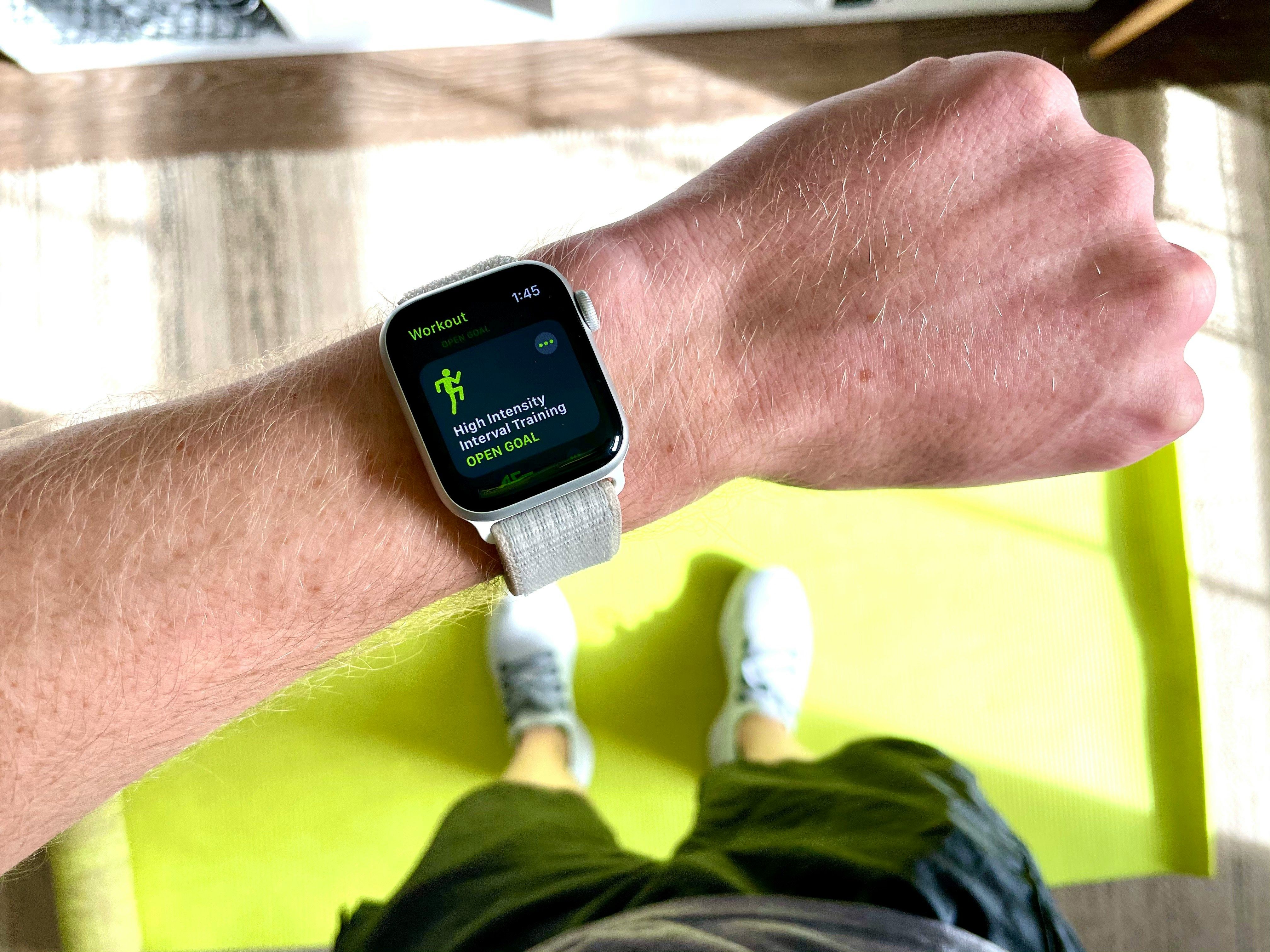
Imagine having a personal health coach available 24/7, tailored to your unique health needs and wellness goals. Sounds impressive, right? What if this coach isn't human but an advanced AI developed by leading tech innovators, OpenAI, in partnership with Thrive Global? This “general AI health coach” could revolutionize personal health coaching, offering unparalleled support and customization. Thrive AI, for instance, is leading the charge in this space, testing the boundaries of what AI can achieve in personal wellness.
An AI health coach could act as a fitness trainer, nutritionist, and mental health advisor all in one, seamlessly integrating into your daily life to monitor habits and provide personalized advice. It’s a dream come true for many, offering convenience and expertise at your fingertips.
However, this exciting technology also raises serious concerns about privacy and control over personal data. As we embrace these advancements, it’s crucial to consider: What are we sacrificing for this level of convenience and innovation?
The Hidden Risks of Convenience
This convenience comes at a significant risk. To function effectively, the general AI health coach requires access to an extensive range of personal data. This includes basic health metrics and potentially sensitive information about your daily habits, emotional states, and even social interactions. The more data the AI has, the better it can tailor its advice, but this raises serious privacy concerns.
Data Privacy Concerns
One of the primary concerns with an AI health coach is the massive amount of personal health data it needs. This data includes information about daily activities, sleep patterns, dietary habits, mental health status, and medical history. While this data is essential for the AI to provide accurate advice, it raises serious concerns:
- Privacy Risks: Collecting such sensitive data creates a high risk of privacy breaches. If this information falls into the wrong hands, it could be misused to harm you.
- Data Security: No centralized system is entirely safe from hacking, even with strong security. If a breach happens, it could expose your private health information, leading to misuse or exploitation. Numerous high-profile data breaches have occurred over the past years, and even some of the most secure systems have been compromised.
- Data Usage: There is also concern about how this data will be used. Companies involved in the AI coach initiative could potentially use the data for purposes beyond an AI health coach, such as targeted advertising or selling insights to third parties. This commodification of personal data further harms your privacy and raises ethical questions about consent and transparency.
User Control: Who's in the Driver's Seat?
Another pressing issue is user control. With an AI health coach, who really owns and controls the data? While you might be the one providing it, the data often becomes the property of the company developing the AI. This shift in control can lead to scenarios where your data is used in ways you didn’t explicitly agree to or even knew about.
- Dependence on AI: There's a risk that you might start depending too much on AI advice, which could weaken your own ability to make health decisions.
- Autonomy in Decision-Making: You should retain control over your health decisions. AI must act as a guide to enhance your life rather than entirely taking over your decision-making.
- Transparency of AI: You need clear information about how the AI operates and makes decisions. This transparency ensures that you can trust the advice you receive and understand its basis, maintaining your ability to question and evaluate it critically.
- Data Deletion: You should have clear options to opt in or out of data collection and specific functionalities. The transparency of these choices is vital.
Ethical Implications
This AI coach initiative fails to integrate technological innovation with ethical responsibility. While the potential benefits are immense, the ethical implications must be considered to ensure this technology serves everyone fairly and responsibly.
- Digital Equity: An advanced AI health coach could become a valuable resource, but it must be accessible to everyone, not just those who can afford it. To truly make a positive impact, an AI health coach must be both affordable and accessible to all, enabling everyone to enhance their health with the aid of AI.
- Bias and Fairness: AI systems can sometimes be biased based on the data they're trained on. If the AI gives advice that's unfair or inaccurate, it could harm everyone rather than help them.
- Accountability: There needs to be a way to hold the creators of AI health coaches accountable if something goes wrong. If the AI provides incorrect advice that harms someone’s health, there should be a system in place to address this.
Self-Sovereign Personal AI, Which is Private by Design
Rainfall offers a privacy-first Personal AI platform that responsibly addresses the above issues. Our decentralized, self-sovereign model ensures that you retain complete control over your data while benefiting from your Personal AI. Here's why this approach is the most responsible, transparent, ethical, and privacy-preserving solution in the era of rapid AI growth:
Privacy and Data Security
- Local Processing: Rainfall reduces data collection by processing information locally on your device. This approach reduces the amount of sensitive data stored or transmitted, lowering the risk of data breaches.
- End-to-End Encryption: Rainfall uses anonymization, de-identification, and blind compute technology to remove personally identifiable information (PII) from data. So, your identity and privacy will always stay protected, and no one can link them to the insights we generate.
- Data usage: We prioritize your consent and transparency. You have complete control over what you choose to share. Rainfall provides clear and easy explanations so you always understand what we’re doing and how your data benefits you.
User Control and Autonomy
- Self-Sovereign Identity: Rainfall empowers you to fully control your data with self-sovereign identity, letting you decide what to share, with whom, and for what purpose. You can manage and revoke access at any time.
- Consent Management: When you willingly share your location, activity, photos, and other information, you always retain the autonomy to decide how you use it. You can specify your consent for each data type. This ensures your preferences are followed and prevents your data from being used in ways you didn’t approve.
- Transparency and Data Deletion: Rainfall prioritizes transparency by clearly explaining how personal AI operates, including the data it utilizes, the models it applies, and the reasoning behind its recommendations. This transparency helps you to understand and evaluate the advice you get, building trust in the platform.
Ethical AI and Fairness
- Reducing Inequality: Rainfall aims to provide every connected individual worldwide with a meaningful recurring income, Universal Earned Income (UEI), based on their digital footprint. This income seeks to make every person’s existence valuable and reduce economic and digital inequality.
- AI for Social Good: Rainfall's platform focuses on creating personal AI that aligns with human values. We aim to use AI to enhance your abilities and decision-making rather than simply automating tasks. We emphasize personalization, fairness, and transparency, aiming to use personal AI for positive social impact and progress.
Conclusion
While an AI health coach offers a tempting vision of a 24/7 personal wellness coach, it's crucial to remember that technology often comes with hidden trade-offs. The convenience of AI advice comes with significant privacy risks and a potential loss of control over your personal data.
Rainfall ensures you can enjoy the benefits of a personalized AI assistant without sacrificing your privacy or autonomy, setting a new standard for responsible AI. It's essential to choose solutions like Rainfall that respect your privacy, give you complete control over your data, and still provide personalized support.
In the end, it's not just about having the latest tech; it's about choosing wisely and ensuring the technology genuinely serves you without sacrificing what matters most.